Top Conservatory Design Trends 2024
When it comes to extending your home, conservatories offer a perfect blend of indoor comfort and outdoor charm. Top trends in conservatory design for 2024 are evolving to cater to modern lifestyles while enhancing the beauty and functionality of living spaces. And of course, at CR Windows, we like to keep you up-to-date with these trends to provide innovative solutions that meet your needs.
In this blog, we’ll show you the latest in conservatory design if you’re thinking of extending your house or sprucing up your existing conservatory.
Traditional Meets Contemporary
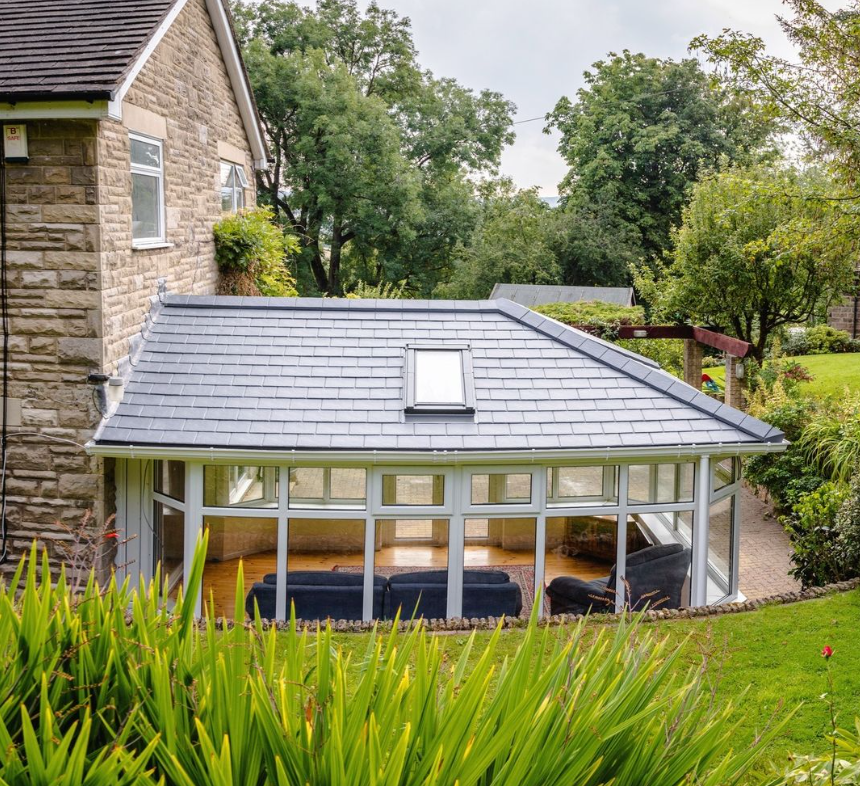
Blending traditional and contemporary elements in conservatory design offers a range of creative possibilities to elevate your living space. Picture a conservatory featuring sleek, minimalist lines and a modern tiled roof complemented by traditional brick or stone accents, creating a harmonious fusion of old and new. Alternatively, consider incorporating classic architectural features such as arched windows or ornate accents into a modern conservatory design, adding a touch of elegance and heritage to the space.
You could also combine traditional materials like wood or wrought iron with modern glass and metal finishes, striking a perfect balance between rustic charm and contemporary style.
Whether it’s juxtaposing antique furniture with sleek, modern fixtures or integrating traditional patterns and textures into a minimalist aesthetic, the art of blending traditional and contemporary elements in conservatory design offers endless opportunities for personal expression and timeless sophistication.
Curves
In building design, curves are experiencing a resurgence, offering a plethora of benefits that enhance both aesthetics and functionality. They introduce a dynamic sense of movement and flow, captivating attention and softening the overall look of a structure, thus making it more inviting.
Additionally, curved structures have an organic feel, fostering a harmonious connection with nature. Practically, curved designs optimise space, maximising usable floor area in compact footprints making them ideal for urban environments or small residential lots. Moreover, curved walls and windows enhance the distribution of natural light, brightening interior spaces.
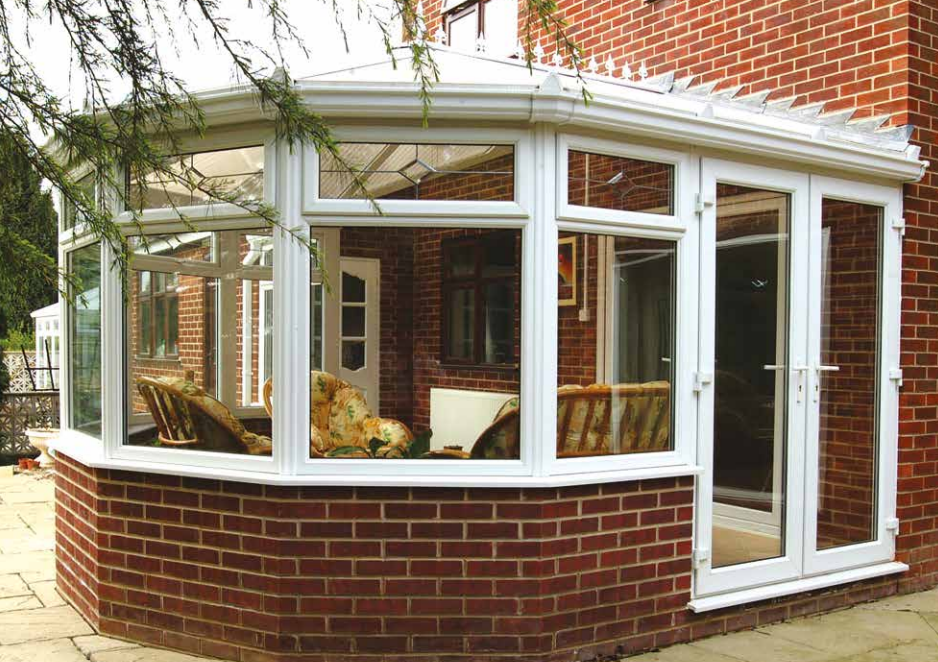
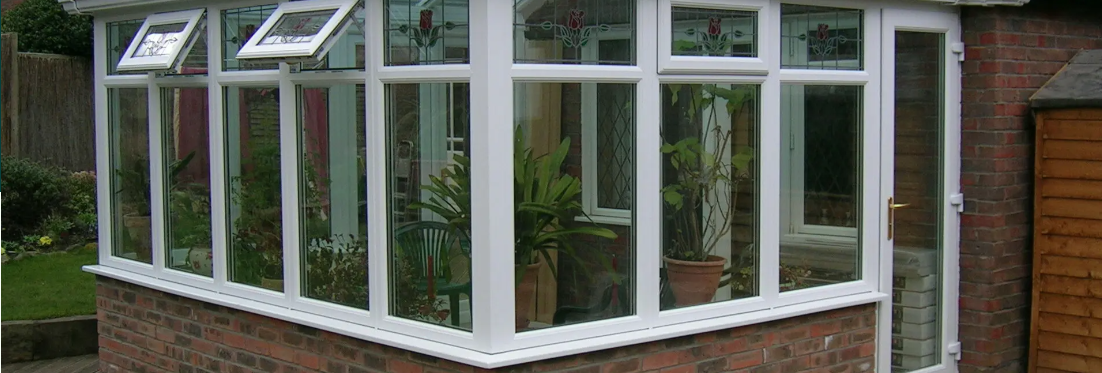
In 2024, the elegance of Victorian conservatories is making a comeback, with their faceted designs adding movement and grace to living spaces. Ideal for homeowners short on space, these curved structures create a sense of openness and sophistication.
(Image: Eurocell – from Conservatory Guide)
Asymmetrical Style
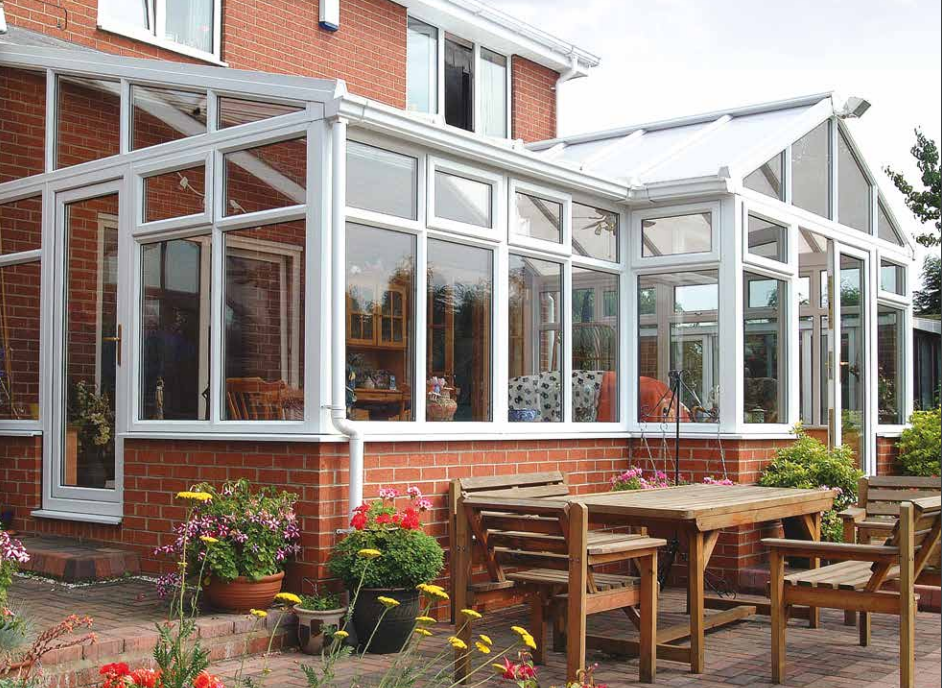
In conservatory design, asymmetrical layouts offer unique opportunities for creativity and personalisation, from experimenting with different roof heights to integrating with the surrounding landscape.
Asymmetrical design offers a dynamic approach that breaks away from traditional symmetrical layouts. Firstly, it captures attention and creates visual interest by introducing unexpected elements and compositions. The irregular shapes and varying heights add depth and dimension to the structure, making it more captivating.
Asymmetrical designs allow for creative expression and individuality, enabling homeowners to tailor their spaces to reflect their unique preferences and lifestyles. From a practical point of view, asymmetrical designs can effectively divide a space into distinct zones, promoting better organisation and functionality.
We specialise in custom conservatory designs, working closely with you to bring your vision to life to reflect your style and complement your home’s architecture seamlessly.
(Image: Eurocell – from Conservatory Guide)
Tiled Roofs
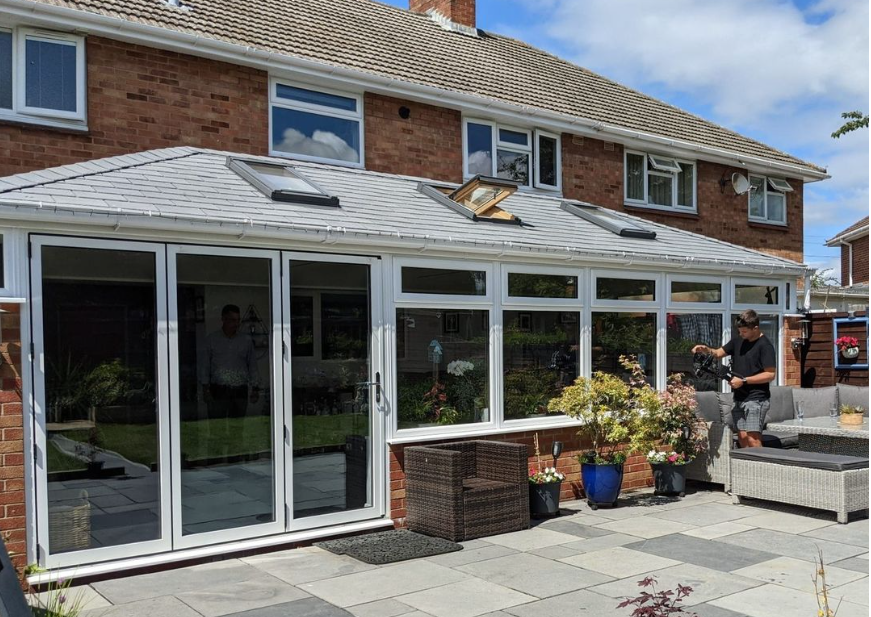
Tiled conservatory roofs are rapidly emerging as a leading trend in conservatory design, offering a range of benefits that cater to the needs and preferences of modern homeowners.
Made from a blend of robust materials, tiled roofs effectively regulate temperature fluctuations, keeping the conservatory warm in winter and cool in summer. This enhanced thermal efficiency allows you to use your conservatory all year round, as well as significantly reducing energy costs and increasing the value of your property!
Tiled conservatory roofs offer versatile design options, blending seamlessly with various architectural styles. Whether your home is modern or traditional, tiled roofs can be customised to match existing features. With a wide range of colours, textures, and finishes available, you can create a unique conservatory that reflects your style.
Additionally, tiled roofs enhance the overall aesthetic appeal of the conservatory with their natural look and texture. Whether it’s the timeless elegance of composite slate tiles or the classic charm of clay tiles, they add depth and character to the structure, creating a seamless transition between indoor and outdoor spaces.
And finally, tiled conservatory roofs require minimal maintenance and boast impressive longevity, providing peace of mind and long-term value. Unlike traditional glass or polycarbonate roofs, tiled roofs are highly resistant to weathering, fading, and damage, ensuring lasting performance and durability with minimal upkeep.
Smart Technology Integration
In a world where smart homes are becoming the norm, integrating technology into conservatories is essential for modern living. Smart solutions offer convenience, energy efficiency, and enhanced comfort, transforming your conservatory into a truly intelligent space.
Imagine stepping into your conservatory and effortlessly controlling the lighting, temperature, and shading with a simple voice command or tap on your smartphone. With automated blinds that adjust based on the time of day and climate control systems that keep the temperature just right, your conservatory becomes a haven of comfort all year round.
With our personalised approach at CR Windows, we can incorporate modern elements seamlessly into your conservatory design, ensuring that it meets your specific needs and preferences.
Statement Ceilings
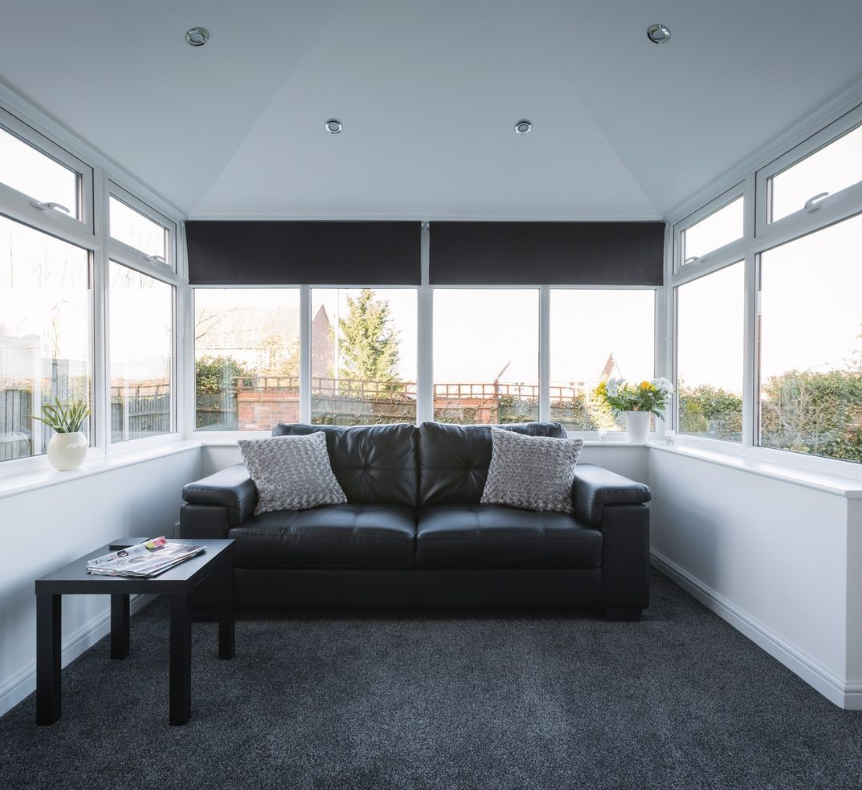
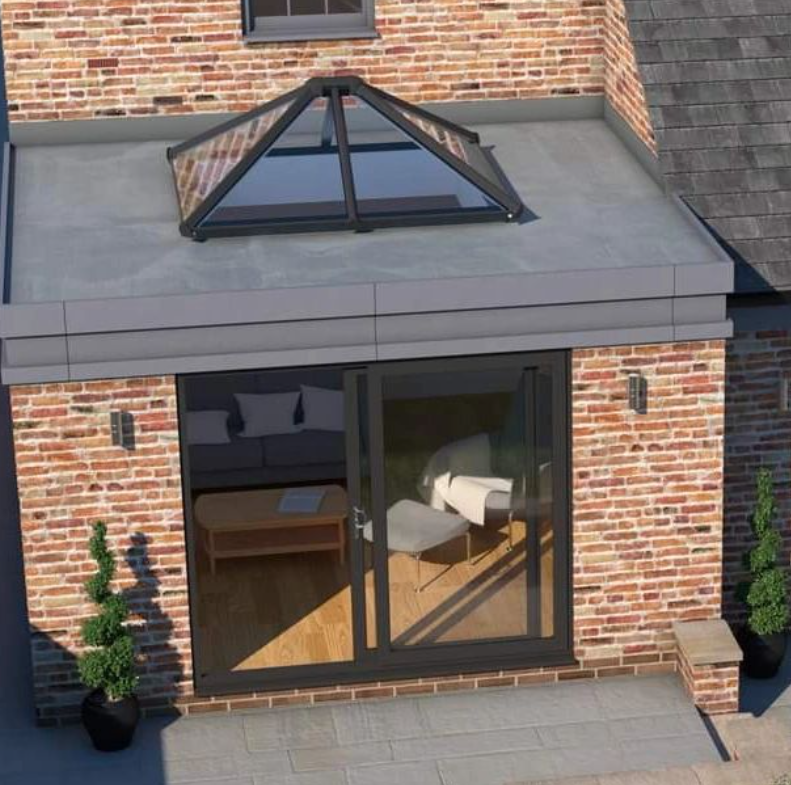
Elevate your conservatory’s design with a statement ceiling that commands attention and adds flair to your space. From vaulted ceilings to exposed beams and skylights, these eye-catching features create a focal point that enhances the overall aesthetic and draws the eye upward.
Statement ceilings not only enhance the visual appeal of your conservatory but also offer practical benefits. Skylights and lantern roofs allow natural light to illuminate the space, creating a bright and airy atmosphere. Exposed beams add character and charm, while vaulted ceilings create a sense of spaciousness and grandeur.
We have a range of ceiling options to suit your preferences, including our stunning lantern roofs. Designed to flood your living space with natural light, our lantern roofs not only add visual interest but also create a stylish new living space that enhances your home’s appeal and increases its value. With a variety of colours and finishes available, our lantern roofs are the perfect addition to any conservatory.
Nature-Inspired Design
The latest trend in conservatory design incorporates elements of nature into the built environment to enhance well-being and connection with the natural world. Nature-inspired design creates a serene and rejuvenating environment in your conservatory that seamlessly integrates nature into your space.
Living green walls, with lush foliage cascading down, add a touch of greenery and vitality to your conservatory, promoting a sense of calm and well-being. Indoor gardens filled with plants not only enhance the aesthetic appeal but also improve air quality and create a healthier indoor environment.
To optimise natural light, consider installing large windows and skylights that flood your conservatory with sunlight, creating a bright and airy atmosphere. These features not only connect you with the outdoors but also promote a sense of spaciousness and openness.
In addition to these suggestions, you can also incorporate natural materials like wood, stone, and bamboo into your conservatory design to further enhance the biophilic feel. Textures and patterns inspired by nature, such as leaf motifs or pebble patterns, can also add visual interest and reinforce the connection to the natural world.
Bifold Doors
While indoor-outdoor living is not a new trend, it remains a timeless and popular choice for homeowners seeking to blur the boundaries between their interior and exterior spaces.
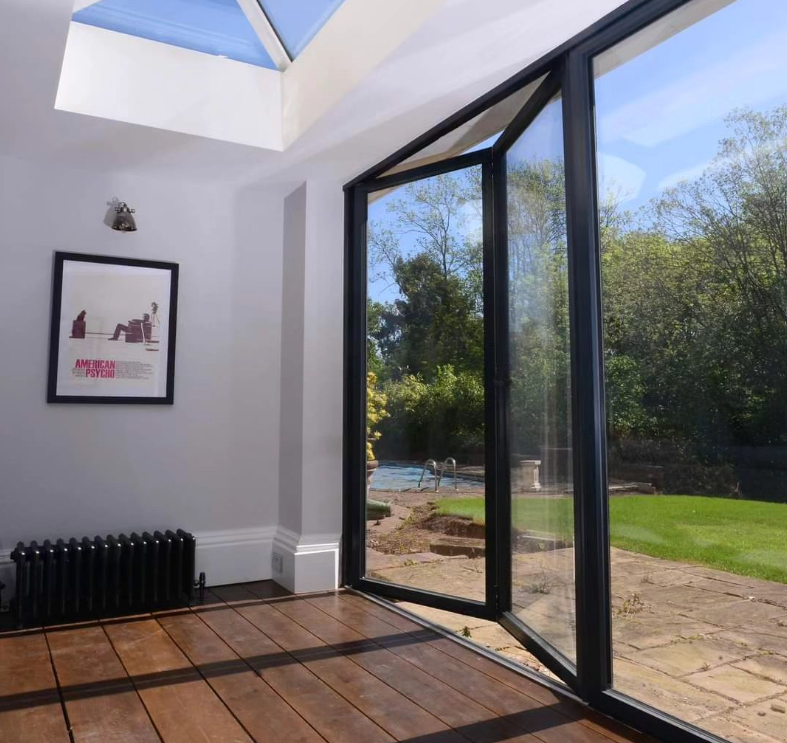
One of the key elements in achieving this seamless integration is through the use of bifold doors. These doors not only create a physical connection between indoor and outdoor areas but also enhance the overall flow and functionality of the home. Whether you’re enjoying a gentle summer breeze or bringing the outside in during colder months, bifold doors offer versatility and convenience.
At CR Windows, we understand the importance of indoor-outdoor living and offer a range of bifold door options to suit your needs. From sleek aluminium frames to popular UPVC designs, our doors are designed to complement your conservatory’s architecture while providing exceptional performance and durability. With smooth operation and secure locking mechanisms, our bifold doors offer peace of mind and convenience for years to come.
Bringing the Indoors Outside
In addition to bifold doors, incorporating features like large windows, sliding glass doors, and seamless flooring transitions can further enhance the indoor-outdoor living experience in your conservatory. These design elements not only maximise natural light and views but also create a cohesive and harmonious living environment that seamlessly integrates with your outdoor space.
With our expertise and range of products, we can help you embrace the latest twist on the indoor-outdoor living trend and create a stunning conservatory that blurs the boundaries between inside and out.
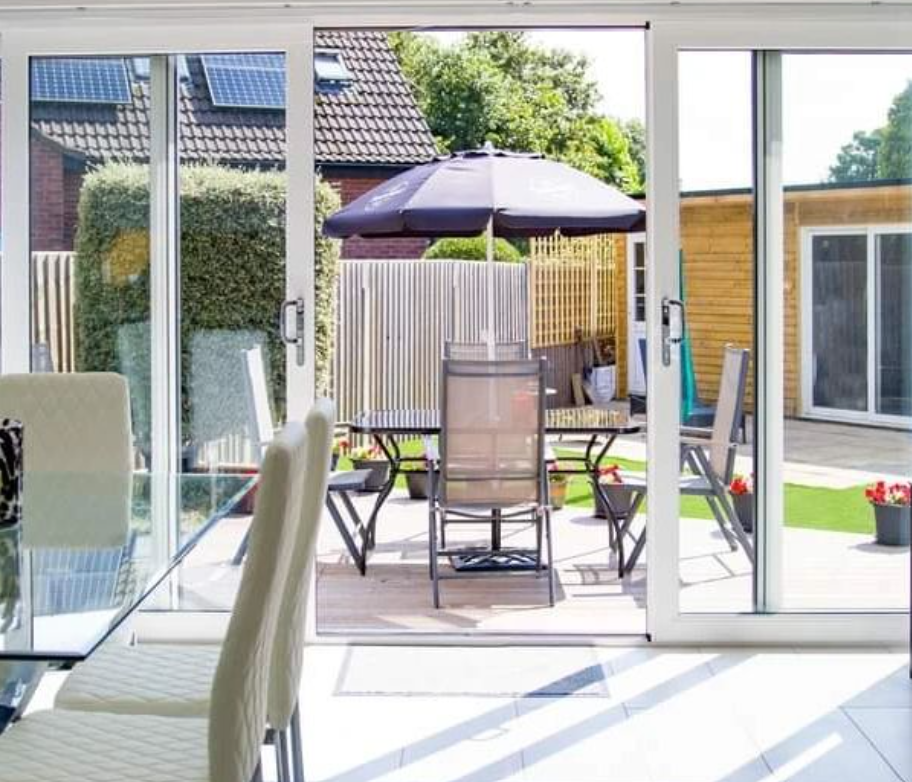
Full Glazed Roof Panels
As a leading trend in conservatory design, full-glazed roof panels are revolutionising indoor spaces by seamlessly integrating the outdoors. These innovative panels flood your conservatory with natural light, providing uninterrupted views of the sky while creating a bright and inviting atmosphere.
Daytime Retreat
Create a tranquil oasis for relaxation and unwinding indoors, basking in the warmth of natural light.
Indoor Garden
Transform your conservatory into a thriving green space, providing optimal growing conditions for a variety of plants.
Al Fresco Dining
Host memorable meals illuminated by the soft glow of natural light, enhancing the dining experience with an outdoor ambience.
At CR Windows, we recognise the growing demand for maximising natural light in living spaces, and our full-glazed roof panels are designed to do just that, ensuring comfort and energy efficiency indoors.
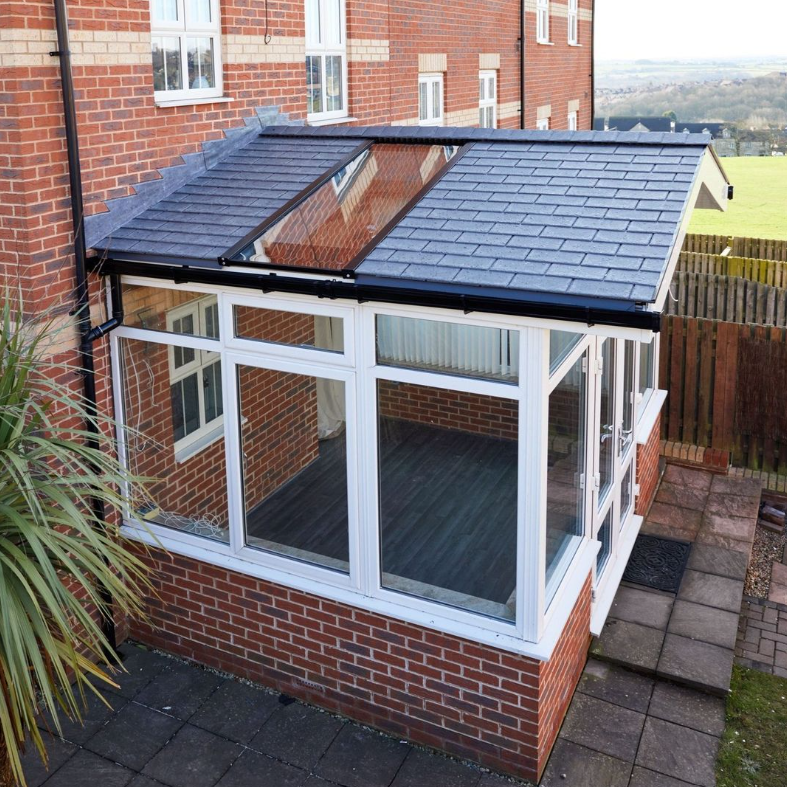
Minimalist Design
Minimalist design has become a leading trend in conservatory aesthetics, driven by a desire for simplicity and functionality. This design approach focuses on clean lines, neutral colour palettes, and uncluttered spaces to create serene and sophisticated living environments.
In a minimalist conservatory, every element serves a purpose. Sleek and understated furniture with clean lines contributes to the uncluttered aesthetic, while neutral colours like whites, beiges, and greys create a serene atmosphere. Open and uncluttered spaces allow for easy movement and flow, enhancing the overall sense of tranquillity.
CR Windows offers a range of conservatory options to transform your space into a minimalist haven, where simplicity meets sophistication. Whether you prefer sleek white frames or subtle earth tones, our conservatories seamlessly integrate with any interior decor, providing comfort and functionality.
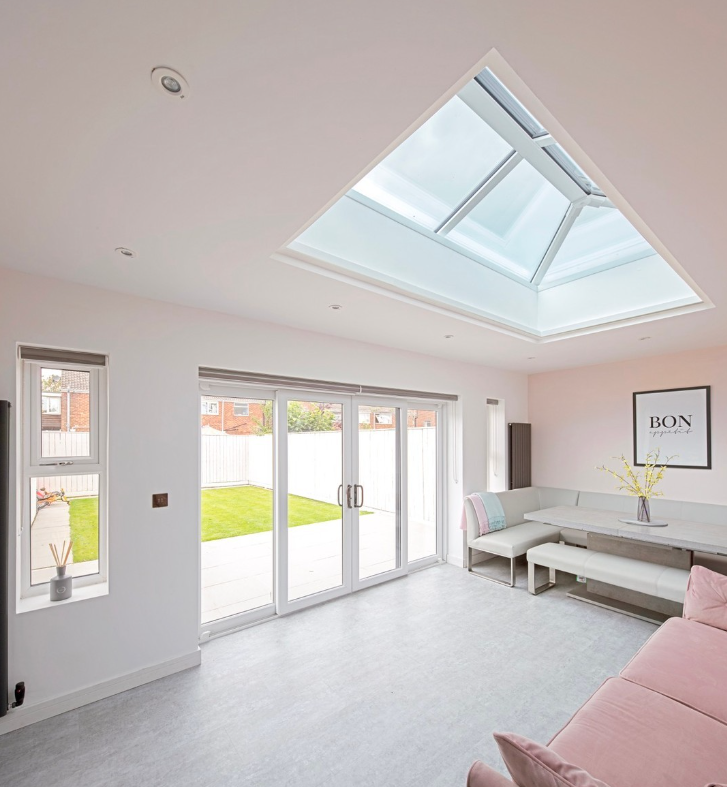
Dark Frames
Dark frames have emerged as a prominent trend in conservatory design, offering a contemporary alternative to traditional white. These frames, typically in shades of black, dark brown or deep tones, add depth and contrast to your conservatory, infusing it with sophistication and modernity. Opting for dark frames provides several benefits beyond aesthetics. They create a bold statement, serving as a focal point and elevating the overall visual appeal of your space.
There are various ways to incorporate dark frames into your conservatory design. One approach is to use them for windows and doors, creating a striking contrast against light-coloured walls or flooring. Another option is to mix dark frames with other materials like glass or wood to achieve a contemporary yet timeless look.
CR Windows offers a diverse range of dark frame options to suit your preferences and style. Whether you’re drawn to sleek aluminium frames or prefer the warmth of rich timber finishes, our dark frames are designed to enhance your conservatory’s aesthetics while ensuring exceptional performance and durability.
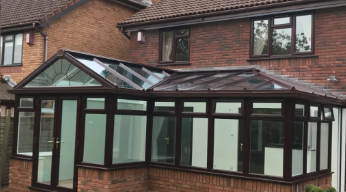
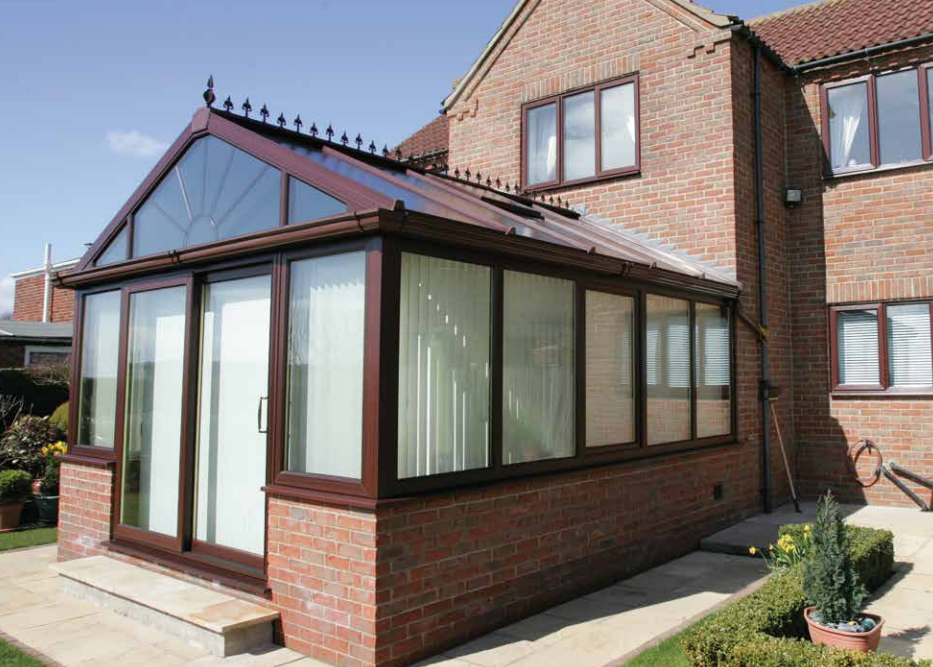
(Image: Eurocell – from Conservatory Guide)
Vintage and Retro Vibes
Vintage and retro vibes have emerged as a prominent trend in conservatory design, evoking nostalgia and adding a touch of character and charm to modern living spaces. These design elements from past eras, including retro furniture, vintage light fixtures, and Art Deco-inspired accents, offer a sense of timelessness and personality.
To incorporate vintage and retro vibes into your conservatory, consider mixing and matching eclectic pieces that showcase different eras. Think about incorporating retro furniture pieces like mid-century modern sofas or vintage armchairs with bold patterns and vibrant colours. Vintage light fixtures, such as retro pendant lamps or Art Deco-inspired chandeliers, can serve as statement pieces that add warmth and ambience to the space.
Another way to infuse vintage and retro vibes into your conservatory is through decorative accents and accessories. Look for retro-inspired artwork, vintage-inspired rugs, and quirky decor items that reflect the nostalgia of bygone eras. Consider incorporating vintage-inspired wallpaper or retro tiles to add texture and visual interest to the space.
We offer a range of conservatory options inspired by vintage and retro design aesthetics. Whether you prefer classic conservatories with period details or bespoke designs that evoke the glamour of past decades, our conservatories are designed to capture the essence of vintage style while providing all the comforts of modern living.
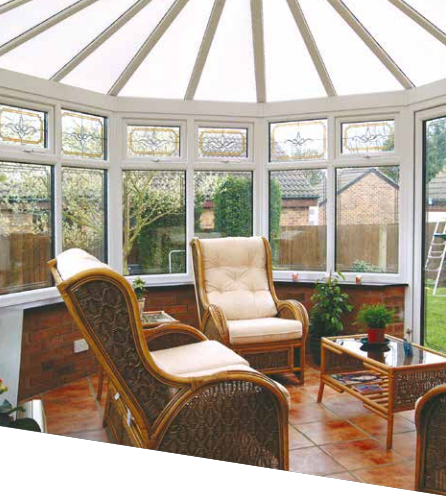
(Image: Eurocell – from Conservatory Guide)
Conservatory Room Use Trends
Flexibility and multi-functionality
Flexibility and multi-functionality have become hot new trends in conservatory design, driven by the evolving needs and lifestyles of homeowners. With the rise of remote work, fitness routines and the desire for versatile living spaces, there’s a growing demand for conservatories that can seamlessly adapt to various functions.
Homeowners are seeking conservatories that can serve as multi-purpose spaces, transforming from a home office during the day to a relaxation area in the evening, or even a gym or entertainment space as needed. This versatility allows for efficient use of space and maximises the functionality of the conservatory throughout the day.
Our conservatories are thoughtfully designed with features to meet your every need, whether you seek a dedicated workspace, a tranquil retreat or an entertainment hub. With open-plan layouts providing ample space for diverse activities and modular designs that easily adapt to changing requirements, our conservatories offer the ideal backdrop for your dynamic lifestyle.
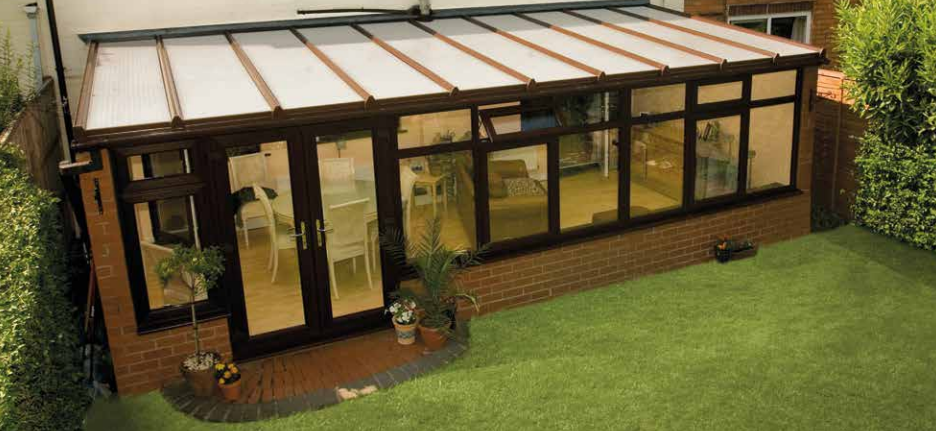
(Image: Eurocell – from Conservatory Guide)
Kitchen Conservatories
Kitchen conservatories have surged in popularity as a contemporary trend, offering homeowners the opportunity to seamlessly blend the heart of the home with the tranquillity of a conservatory space. These extensions provide a perfect setting for culinary creativity and family gatherings, characterised by seamless indoor-outdoor connectivity and abundant natural light.
To achieve the ideal kitchen conservatory, begin with an open layout that merges the kitchen seamlessly with the conservatory space, fostering easy flow and interaction between indoor and outdoor areas. Maximise natural light through the integration of large windows, skylights, or a glazed roof, creating a bright and airy atmosphere that enhances the cooking experience.
Design the kitchen layout with functionality in mind, ensuring efficient use of space and convenient access to essential appliances and storage areas. Incorporate seating areas within the conservatory space, such as a breakfast bar or dining table, to create a multifunctional area for dining and entertaining.
Need help creating a kitchen conservatory? Get in touch with us for a no-obligation quote!
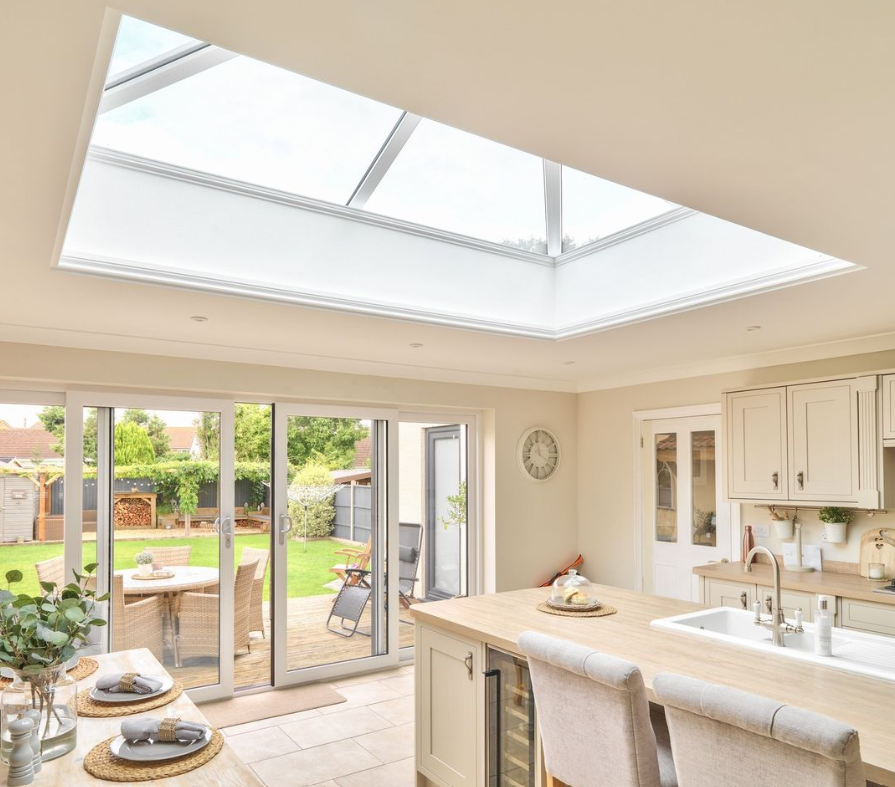
Dining room conservatories
Dining room conservatories have become a captivating trend, offering a unique blend of indoor comfort and outdoor charm for memorable meals with loved ones. Whether you’re hosting a romantic dinner or a festive gathering, these spaces elevate the dining experience with their spacious and inviting atmosphere.
To create the perfect dining room conservatory, choose a design that suits your style, whether it’s an elegant glass extension or a cosy orangery, reflecting your aesthetic preferences and enhancing the dining atmosphere.
Incorporate elements that enhance the dining experience, such as a large dining table, comfortable seating options, and ambient lighting to set the mood.
Finally, maximise indoor-outdoor connectivity with features like bi-fold or sliding doors, seamlessly integrating the dining room with the outdoor space for a sense of openness and expansiveness.
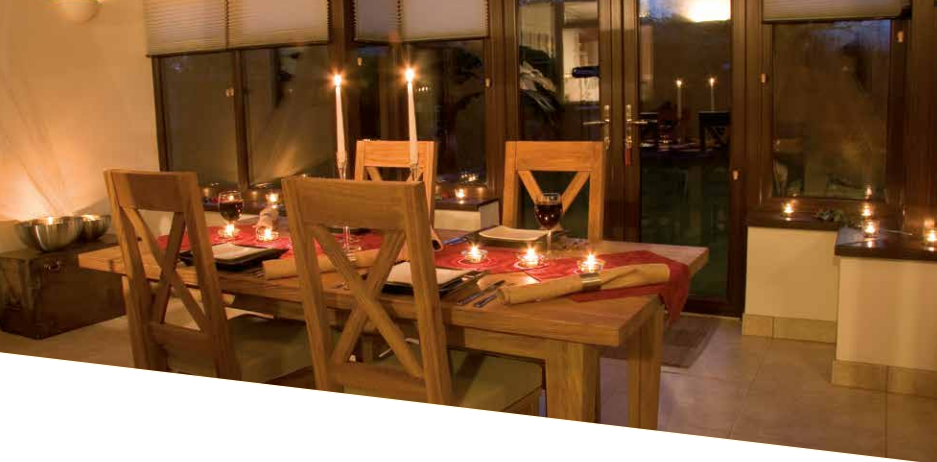
(Image: Eurocell – from Conservatory Guide)
Conservatories from CR Windows
At CR Windows, we understand the importance of staying ahead of the curve with the latest conservatory trends for 2024. Our conservatories are not only stylish but also tailored to your specific needs and preferences and all products that we manufacture and install have a 10-year guarantee. With our expertise, we guide you through every stage of the process, from initial design and planning to construction and finishing touches. We are here to help you create the perfect conservatory that enhances your home and lifestyle and brings your vision to life.
If you fancy following one of these top trends in conservatory design, we’d love to help. Get in touch today to speak to our friendly team.